
High-performance composite structures for space must meet stringent mechanical, thermal and environmental requirements. Voids in composite laminates are a critical defect: they act as stress concentrators, reduce strength, trap moisture and can lead to internal pressure build-up or microcracking under extreme orbital temperature shifts. For space applications, especially precision structures such as optical mounts and satellite struts, void content must be kept below 1%.
To meet these requirements, New Frontier Technologies developed an iterative digital workflow that links automated fibre placement (AFP) with CT-based 3D diagnostics. AFP enables rapid, out-of-autoclave composites manufacturing, but it is inherently prone to defects such as gaps and overlaps.
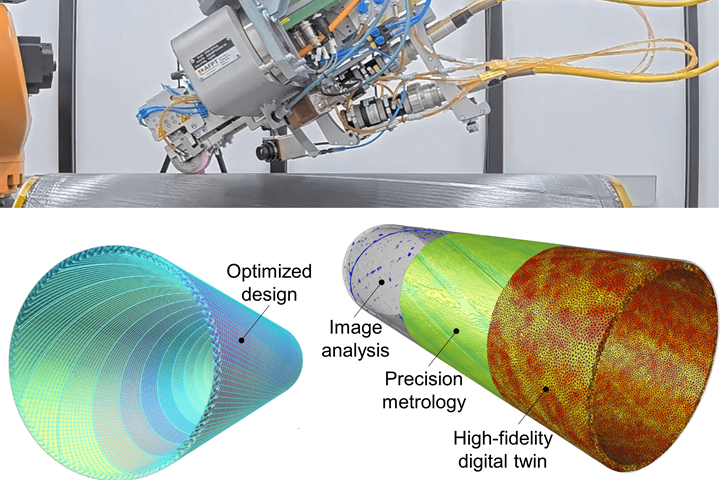
In this demonstrator project, we manufactured a 500 mm long satellite strut optimised for low coefficient of moisture expansion using industry-standard design and AFP practices. Initial 3D diagnostics revealed a void content of approximately 4.5%. By using a multiscale approach of higher resolution 3D scans we could analyse the composite quality layer by layer. The detailed layer analysis allowed us to digitally isolate defects such as tape gaps and overlaps, identify their location within the laminate, and link them to specific process parameters and tape widths.
With this insight, we redefined the laminate design and AFP parameters across multiple iterations. Each successive additively manufactured strut was scanned, analysed and improved – ultimately resulting in the virtual elimination of large gaps (<0.1% volume) while also targeting a low coefficient of moisture expansion (CME) to ensure dimensional stability between cleanroom integration and launch.
Key Features of the Workflow:
- CT-driven insight: multiscale micro-CT scans and our 3D diagnostics expertise reveal internal defects with accuracy down to individual fibres.
- Layer-by-layer correlation: Voids are traced back to specific AFP manufacturing parameters
- Material & Process Feedback Loop: Enables rapid convergence to optimised layup strategy
- Tailored for Space Requirements: Final strut meets low CTE, low CME, and low void content targets
- Digital Twin Validation : 3D Diagnostics dataset can be integrated with DigiTwin to create a high-fidelity as-manufactured digital model of the part
This workflow supports the development of:
- Precision composite structures with matched thermal performance
- Custom laminates for thermal or mechanical tuning
- High-performance applications such as pressure vessels for clean energy
- Digital twins of as-manufactured parts
Find Out More
If you’re facing tight thermal or mechanical performance requirements for space or aerospace, our CT-driven composite development workflow can de-risk your design and fast-track your qualification. To find out more, please contact us at info@newfrontiertech.com.au
Similar Case Studies
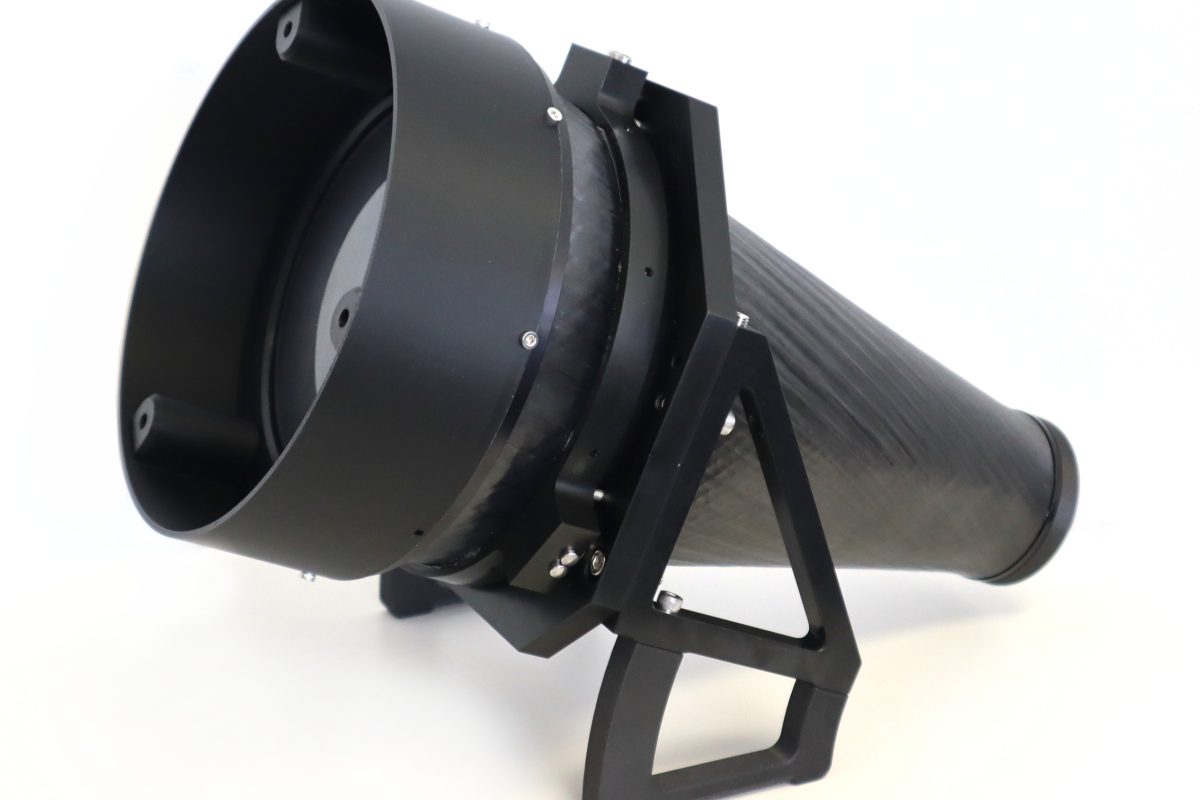
Repeatable High-Precision Manufacturing
This conical low-CTE tube showcases our ability to deliver mini-serial production of precision composite components, enabling consistent, high-quality manufacturing that’s ready to reproduce with minimal lead time.
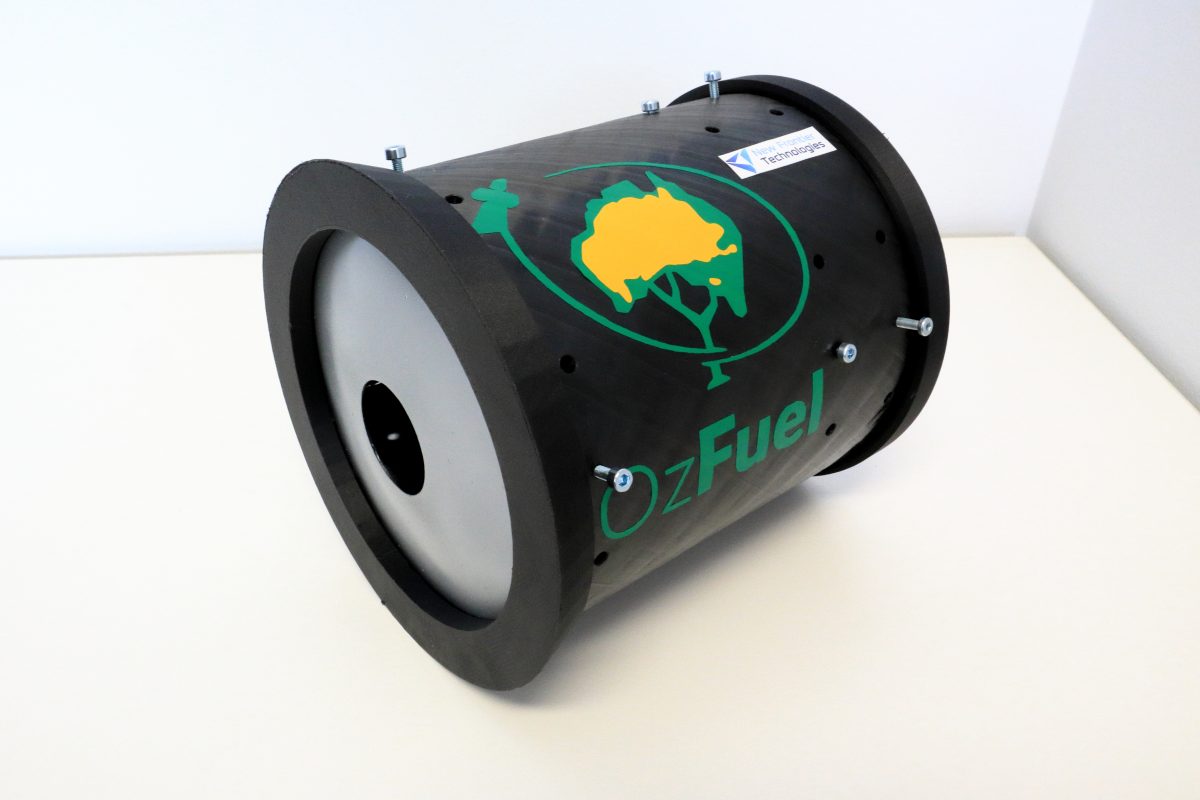
Dimensionally stable composite mount for optical satellite-based instrumentation
This near-zero axial coefficient of thermal expansion demonstrator ensures precise performance across extreme orbital temperature shifts - without the need for lens refocusing.
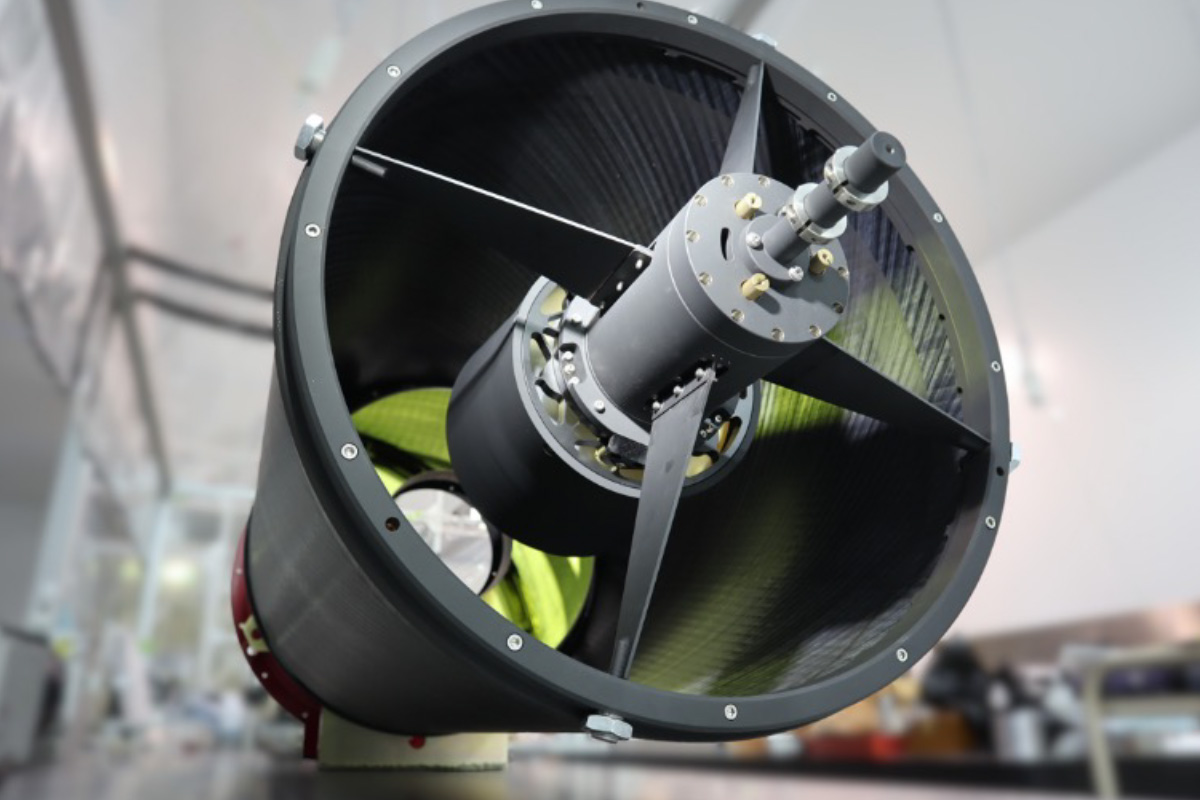
Lightweight, low-CTE mirror mounts for ground-based DREAMS telescope
Designed for biaxial thermal and structural precision, this lightweight composite mirror mount was produced in under 9 hours and maintains lens alignment and focus during overnight observations.